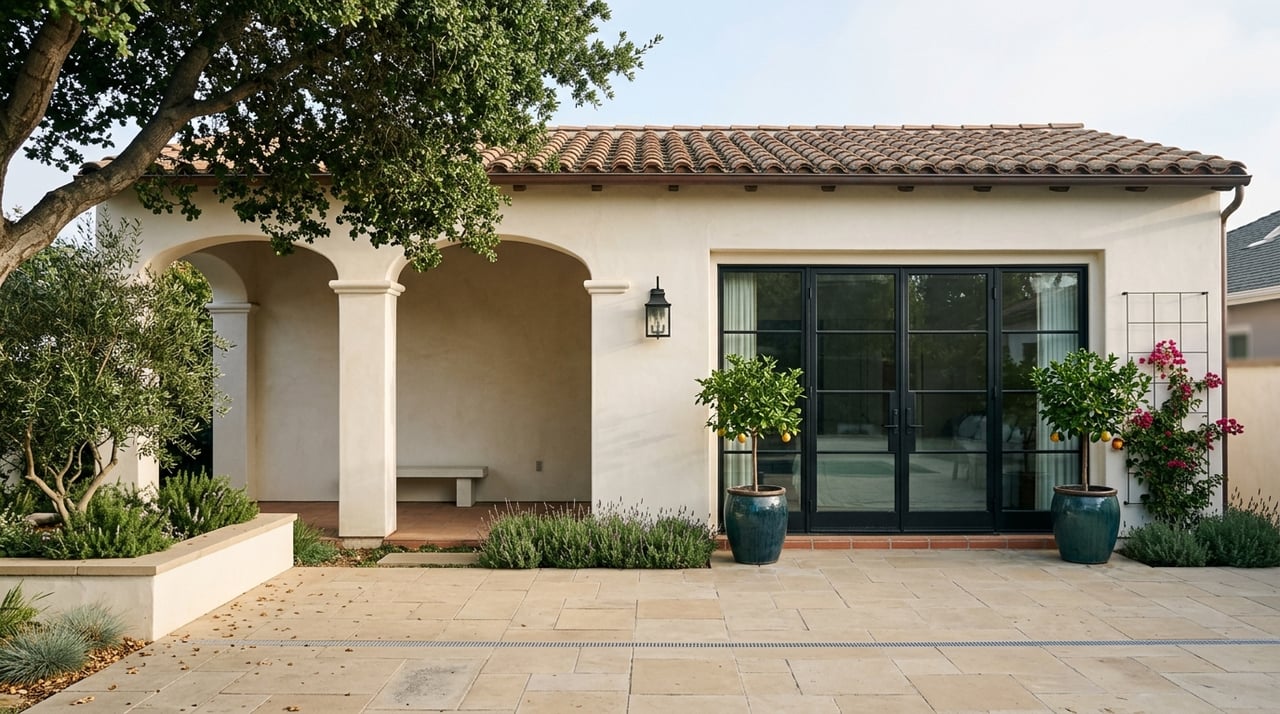
Experience Watsonville Lifestyle, Parks & Amenities
April 2, 2026
April 2, 2026
If you want Santa Cruz County access without Santa Cruz city pricing, Watsonville is one of the first places worth a closer look. You may be searching for a community with everyday convenience, local character, and a stronger sense of rootedness than a purely coastal destination town. Watsonville offers a mix of agriculture, parks, downtown events, and regional connectivity that gives daily life a distinct feel. Let’s dive in.
Watsonville is a city of 51,320 residents with a strong agricultural foundation and a long local history tied to the Pajaro Valley. According to the U.S. Census QuickFacts for Watsonville, the city has a median household income of $78,393, an average household size of 3.36 people, and a mean commute time of 26.1 minutes.
Daily life here reflects a bilingual, multi-generational community. The Census reports that 82.3% of residents identify as Hispanic or Latino, and 74.5% of residents age 5 and older speak a language other than English at home. That helps shape the city's culture, daily rhythms, and neighborhood feel.
Watsonville feels connected to its past, but it is not stuck in it. The city notes that its history dates back to the 1850s, and while agriculture remains central, the local economy has also expanded into commerce, electronics, manufacturing, services, and distribution, according to the city’s historic preservation overview.
That balance matters when you are deciding where to live. Watsonville is not just a place people pass through on the way to somewhere else. It has its own identity, work base, traditions, and community memory.
In Watsonville, agriculture is not just background scenery. It is part of the local economy and part of how the area looks and feels from season to season.
Santa Cruz County’s 2024 crop report shows agricultural production reached $741.9 million, with strawberries as the top crop at $218.9 million across 2,640 acres. Berry crops made up 60% of total production value, and certified organic production totaled $142.6 million.
For you as a resident, that often translates into a strong connection to local food, open agricultural landscapes, and an identity that feels grounded in the region rather than manufactured for visitors. It is one of the clearest things that makes Watsonville different from other communities in Santa Cruz County.
Watsonville’s downtown carries a sense of history and everyday use. The city highlights Victorian architecture, 1880s storefronts, Watsonville Plaza, and apple crate murals as part of the downtown experience.
Downtown is also where community life tends to show up in visible ways. The Watsonville Farmers Market takes place every Friday from 2 to 7 p.m. year-round at City Plaza, with local produce, flowers, and prepared foods, and the area also hosts other local market options during the year.
If you want a place where public spaces are used regularly rather than just looked at, that is an important plus. Downtown Watsonville feels more like a working community hub than a polished backdrop.
Watsonville has a calendar of recurring events that helps create a sense of place. The city’s community events page highlights the Spirit of Watsonville 4th of July Parade, the Watsonville Strawberry Festival, Music in the Plaza summer concerts, National Night Out, and the Monterey Bay Birding Festival.
These are the kinds of events that can make a city feel familiar over time. Instead of one major seasonal attraction, Watsonville has multiple gatherings that bring people back into shared public spaces throughout the year.
The Watsonville Strawberry Festival began in 1994 to help downtown recover after the Loma Prieta earthquake. Today, it celebrates the Pajaro Valley’s most valuable crop and remains one of the city’s best-known traditions.
For residents, that says something important about Watsonville. The community tends to build around local history, resilience, and agriculture rather than around a resort-style identity.
One of the strongest everyday lifestyle advantages in Watsonville is how much outdoor access you have nearby. The city lists 26 parks covering 143 acres along with an extensive trail system.
According to the city’s parks information, those trails open onto an 800-acre freshwater wetland and include more than seven miles of routes with 29 neighborhood entrances. That kind of access can make it easier to build walks, bike rides, and nature breaks into your normal routine.
The wetlands are one of Watsonville’s defining natural features. The California Department of Fish and Wildlife describes the Watsonville Slough Ecological Reserve as 589 acres of coastal and valley freshwater marsh habitat with hiking trails and wildlife viewing.
The city also notes that the Wetlands of Watsonville Nature Center and nearby sloughs support more than 200 species of waterfowl, raptors, and songbirds. If you enjoy walking trails, open space, or birding, this is not a minor perk. It is a real part of day-to-day life in the area.
Watsonville’s park system supports a range of activities, from casual recreation to organized sports. Pinto Lake City Park includes boating, fishing, picnic areas, RV camping, and ballfields.
Ramsay Park adds a family center, skate park, fields, courts, trails and levee access, and a 20,000-square-foot pump track. If you are looking for a city where outdoor amenities go beyond a basic neighborhood playground, Watsonville offers more than many buyers expect.
Watsonville works well for people who need regional access. The city says it sits at the junction of Highways 1, 129, and 152, and it also has its own airport and a downtown transit center.
According to the city’s location and transportation page, the transit center connects riders to Greyhound, Santa Cruz METRO, and Monterey-Salinas Transit. Monterey-Salinas Transit also notes that Watsonville Transit Center is where MST and METRO connect, linking travel toward Downtown Santa Cruz and around the Monterey Peninsula.
If your routine includes commuting or staying connected to multiple parts of the Monterey Bay, Watsonville’s location can be practical. It offers access without requiring you to live in the highest-priced coastal pocket.
For many buyers, this is the question that matters most: how does Watsonville compare on price? While Watsonville is still part of a high-cost California region, the numbers suggest a meaningfully lower entry point than Santa Cruz city.
Zillow’s February 2026 home value data puts Watsonville’s typical home value at $816,554, compared with $1,313,461 in Santa Cruz city. The Census also reports a median owner-occupied housing value of $686,000 and a median gross rent of $1,889 in Watsonville.
These figures come from different sources and methods, so they are best used as directional context rather than exact side-by-side pricing. Still, they point to the same takeaway: if you want to stay in Santa Cruz County while stretching your budget further, Watsonville may deserve a serious look.
Watsonville can make sense for several kinds of buyers. It may appeal to you if you want regional access, value local culture, and are open to a city whose identity is shaped more by agriculture and community life than by beach-town branding.
It can also be a smart place to explore if you are comparing options across Santa Cruz County and trying to balance home price, commute routes, and access to outdoor space. For some buyers, Watsonville offers a more practical path into the county without giving up character.
Living in Watsonville often means being part of a city that feels active, grounded, and connected to the land around it. You have access to farmers markets, community events, wetlands, neighborhood parks, and transit links that connect you to the rest of the Monterey Bay.
It is not trying to be the same as Santa Cruz, Capitola, or Monterey. That is part of the appeal. Watsonville offers its own version of Santa Cruz County living, with strong local identity, everyday functionality, and a housing market that may be more approachable than nearby coastal cities.
If you are thinking about buying a home in Watsonville or comparing communities across Santa Cruz County, Natalie Pinkerton can help you understand your options with local insight, clear strategy, and personalized guidance.
Stay up to date on the latest real estate trends.


Get help evaluating a property’s current value, preparing a strong offer, navigating contracts, negotiating terms, and more. I’m here to guide you through every step of your home-buying journey.
NATALIE PINKERTON | CA DRE# 01943205
1041 41ST AVE SANTA CRUZ, CA 95062