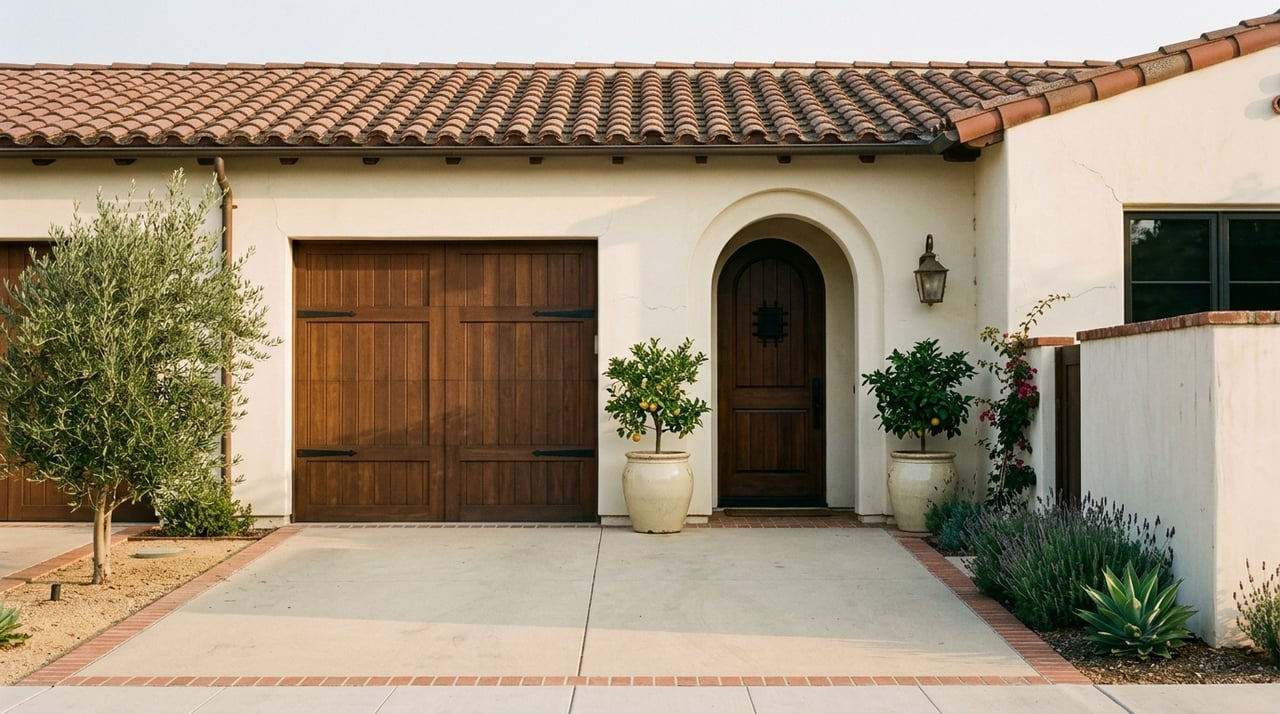
Move Up from Watsonville With a Smart Next-Home Plan
May 7, 2026
May 7, 2026
Thinking about selling in Watsonville so you can buy a larger or pricier home somewhere else in Santa Cruz County? That move can make a lot of sense, but it often comes with a bigger budget jump than sellers expect. If you want to move up smoothly, you need to understand not just what your Watsonville home might sell for, but how that sale translates into real buying power in your next neighborhood. Let’s dive in.
One of the biggest mistakes move-up sellers make is assuming their current home and next home exist in the same market. They do not. Watsonville pricing is generally lower than many other Santa Cruz County destinations, so your sale proceeds may not stretch as far as you hope if you are aiming for places like Aptos, Santa Cruz, or Capitola.
Recent online snapshots show Watsonville around a $680,000 median sale price, while another county overview places Watsonville at about an $812,499 median list price. That same overview shows Santa Cruz County overall near $1.20 million, with Aptos around $1.3 million, Santa Cruz around $1,559,950, and Capitola around $999,000. Those figures come from different trackers and dates, so they are best used as directional guides, not exact pricing.
The key takeaway is simple: your sale and your purchase should be analyzed separately. A fresh comparative market analysis for your Watsonville home should be paired with a pricing review for the specific area where you want to buy next. That side-by-side view gives you a much clearer picture of your real options.
Your sale price is not the same as your available cash. Before you can apply proceeds toward your next purchase, several costs usually come out of the transaction. That is why a net sheet matters so much when you are planning a move-up purchase.
For a Watsonville seller, your estimated net may include:
In Santa Cruz County, documentary transfer tax on taxable conveyances is calculated at $0.55 per $500 of value countywide. That may not be the biggest line item, but it is one more reminder that proceeds need to be calculated carefully.
If you are shopping for your next home before you know your likely net proceeds, it is easy to waste time looking at homes outside your comfortable range. A strong plan starts with clear numbers. That means estimating your sale proceeds first, then matching those proceeds with the real price level of your target area.
This is especially important in a move-up scenario, where the next purchase often requires added cash planning beyond your current equity. A thoughtful pricing strategy can help you move with fewer surprises.
Many sellers focus on mortgage payments and down payment needs, but property taxes deserve just as much attention. In Santa Cruz County, after a deed is recorded, the Assessor generally revalues the property at fair market value, which is usually the purchase price. That means your next home will usually come with a property-tax reset.
The county also notes that supplemental assessments can follow. These supplemental tax bills are separate from the regular annual property tax bill and can be mailed throughout the year. If you are buying a more expensive home elsewhere in the county, that extra tax bill can affect your cash flow soon after closing.
Santa Cruz County says annual secured property tax bills are mailed in October. They are due in two installments, November 1 and February 1, with delinquency dates of December 10 and April 10.
That timing matters when you are coordinating a sale, a purchase, and a move. Your closing date, move-out schedule, and post-closing budget should all reflect those deadlines. It is one more reason a move-up plan should be built on more than just the list price of the next home.
If you are age 55 or older, severely disabled, or affected by wildfire or another qualifying disaster, Proposition 19 may help soften the impact of reassessment. For eligible homeowners, the claim is filed with the assessor in the county where the replacement home is located. The filing happens only after both transactions are complete and you are already living in the replacement home.
There are timing rules that matter. If you buy the replacement home before your original home sells, the original home must be sold within two years. During the overlap period, taxes are based on the full fair-market value of the replacement home, and there is no refund for that period.
If the replacement home costs more than the one you sold, the excess value is added to the transferred base-year value. In other words, Proposition 19 can help eligible homeowners, but it does not erase every tax impact. It needs to be timed and handled correctly.
For many Watsonville homeowners, the safest path is selling first and then buying with the proceeds. This approach often works best when your next purchase depends heavily on the equity from your current home. At closing, ownership changes, your mortgage is paid off, and you receive the sale proceeds, which gives you a more defined budget for the next step.
Buying first can still work, but it is usually more complex. If you buy before selling, you may need temporary financing and enough financial strength to carry multiple obligations at once.
Selling first can reduce guesswork. You know how much your home actually sold for, what your real closing costs were, and how much cash you have available for the next purchase.
That clarity can make your search more focused and your offers more confident. It can also lower the stress of trying to juggle two homes at the same time.
A buy-first strategy may appeal if you want to avoid a temporary housing move or if the right replacement home appears before your current home sells. A bridge loan is generally a short-term loan of 12 months or less used to finance a new home while you plan to sell the current one.
Still, this option is not automatic. Lenders generally need to document that you can carry the current home, the new home, the bridge loan, and your other obligations. That makes bridge financing a tool for some sellers, but not the right fit for everyone.
If your main issue is timing rather than financing, a rent-back may help. This can allow you to close the sale of your Watsonville home and remain there for a short period while your next purchase is finalized.
A rent-back can reduce moving pressure, but it should be viewed as a scheduling tool. It should not be treated as cash available for your down payment, closing costs, or reserves.
If you plan to buy another home soon after selling, one of the first practical steps is getting preapproved. Sellers often want to see a preapproval letter before accepting an offer, and those letters commonly expire in 30 to 60 days.
That means timing matters from the very beginning. Before your home hits the market, it helps to map out your target window for listing, closing, and purchasing. From there, you can line up your Watsonville pricing strategy and your replacement-home search around a realistic schedule.
A successful move-up sale in Watsonville is about more than getting your home sold. It is about converting your current equity into your next home while managing budget gaps, closing costs, reassessment, and timing. When those pieces are handled in the right order, the process becomes much more manageable.
That is where local strategy matters. With neighborhood knowledge across Santa Cruz County, a pricing-focused approach, and clear transaction guidance from start to finish, Natalie Pinkerton can help you build a move-up plan that fits your goals.
Stay up to date on the latest real estate trends.




Get help evaluating a property’s current value, preparing a strong offer, navigating contracts, negotiating terms, and more. I’m here to guide you through every step of your home-buying journey.

NATALIE PINKERTON | CA DRE# 01943205
1041 41ST AVE SANTA CRUZ, CA 95062