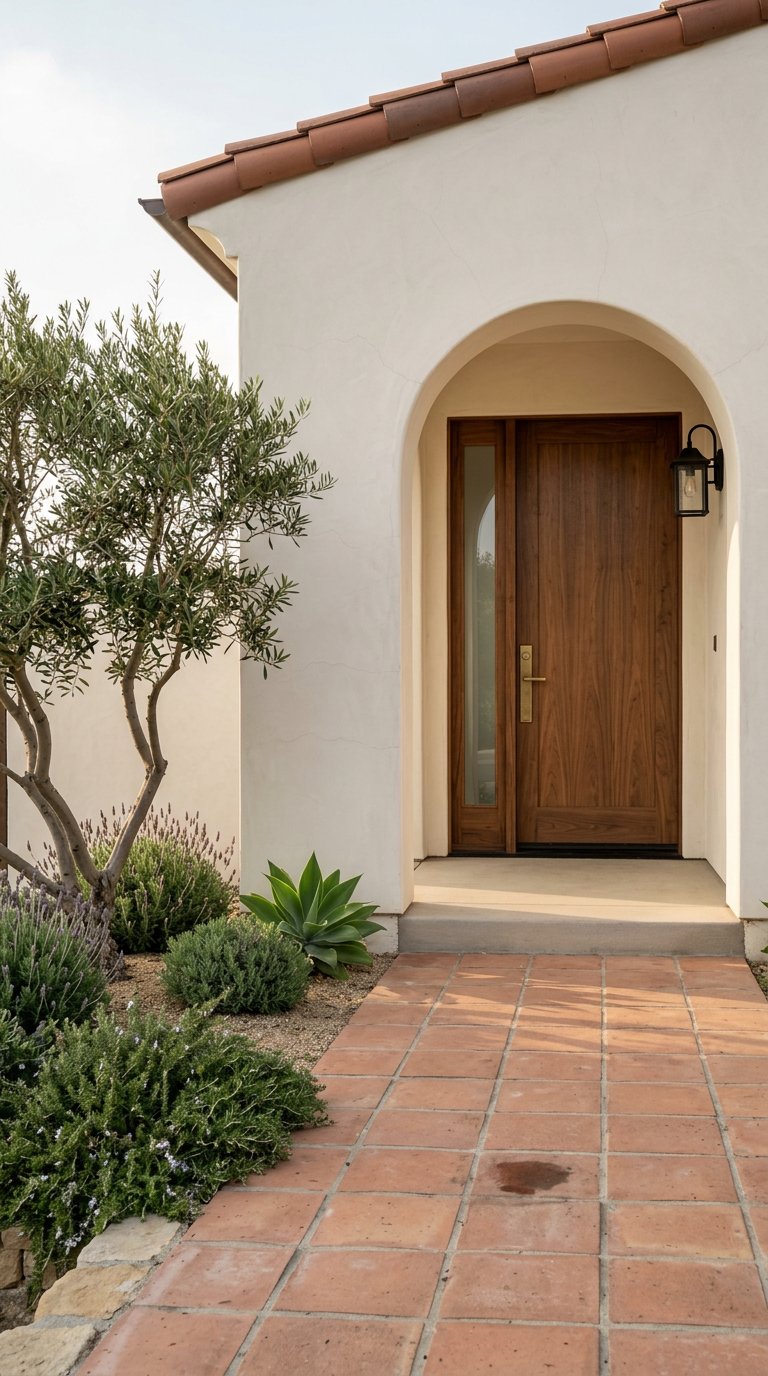
Selling Your Aptos Home for Today’s Buyers
March 24, 2026
March 24, 2026
Thinking about selling in Aptos and not sure where to start? Coastal buyers love our beach lifestyle, but they also look closely at condition, permits, and disclosures. A little smart prep can speed up your sale, reduce last‑minute negotiations, and protect your bottom line. In this guide, you’ll learn what today’s buyers expect, which fixes matter most along the coast, the disclosures you must handle in California and Santa Cruz County, and how to price and market with confidence. Let’s dive in.
Aptos is a high‑demand coastal area with a typical single‑family price range near $1.2M to $1.45M. Recent snapshots often show days on market around 60 to 75 days, which means planning and patience matter. You can see current trends in the Aptos overview on Realtor.com’s market page and in the Santa Cruz County Association of REALTORS® SCCAR monthly reports.
Use a data‑driven pricing plan. Build a comparative market analysis that includes 3 to 6 recent closed sales, 3 to 6 active competitors, and 1 to 2 pendings in the same neighborhood or zip. Adjust for condition, view, outdoor space, and verified permit history. Then set a clear low, target, and high price band so you and your agent agree on a floor, a realistic goal, and a stretch outcome.
California sellers complete two statewide disclosures in most residential sales. The Transfer Disclosure Statement describes the condition and history of the home. Review the California TDS quick guide so you gather permits, system ages, and known issues before buyers ask.
You also provide a Natural Hazard Disclosure that flags whether the home is in mapped hazard zones such as flood, seismic fault, tsunami, or wildfire severity. Most agents order this from a third‑party provider for accuracy. For a plain‑English overview, see the California NHD quick guide. Honest, early disclosure helps buyers feel confident and reduces the risk of late‑stage surprises.
If your Aptos property uses a septic system, Santa Cruz County requires a point‑of‑sale pump and inspection. Failing systems typically need repair, or you and the buyer can sign a transfer‑of‑responsibility agreement that follows county rules. Review the county code for onsite wastewater systems in Chapter 7.38, and start early with county guidance and forms so you have time to price, permit, and schedule any needed work.
Unpermitted additions or older remodels come up often in negotiations. Pull your county permit history before you list, and bring any documents you have to your agent. Santa Cruz County explains options to legalize past work in this permit legalization handout. If you choose not to complete the process before listing, prepare contractor quotes so you can offer a credit with clarity.
Many lenders ask for a wood‑destroying organism report in escrow, and some require a Section 1 clearance. Having a recent WDO inspection up front can shorten timelines and reduce repair haggling. State rules standardize reporting and forms, which you can review in California’s structural‑pest regulations.
Aptos homes take extra wear from salt air, fog, and hillside settings. Focus on high‑impact items that commonly show up in local inspections:
Prioritize these fixes in order of impact:
A simple inspection set can increase trust and reduce contingencies:
Package the reports with your disclosures and permit records. Buyers and their lenders will have fewer unanswered questions, and your timeline will be more predictable.
Today’s buyers respond to clear visuals and honest lifestyle details. Invest in:
Highlight what matters most in Monterey Bay marketing:
Targeted exposure helps Aptos sellers reach both local and out‑of‑area buyers. Your plan should include a broker tour, outreach to Bay Area and Monterey agent networks, and a clean, downloadable packet with the TDS, NHD summary, WDO, and septic reports. Reduce friction, and serious buyers will move faster.
Aptos sees interest year‑round, with a traditional bump in buyer activity from spring into early summer. That said, inventory and interest‑rate shifts can change the rhythm in a given year. Before you pick a month, review the latest SCCAR data with your agent and align your timing with your pricing strategy and prep timeline.
Today’s buyers want transparency, coastal‑smart maintenance, and a clear lifestyle story. If you deliver clean disclosures, a practical inspection set, and thoughtful marketing, you will stand out. Pair that with a pricing plan grounded in current comps, and you set the stage for steady showings, stronger offers, and fewer surprises in escrow.
Ready to prep your Aptos home with a plan that fits your goals and timing? Schedule a local market consultation with Natalie Pinkerton to map out your strategy.
Stay up to date on the latest real estate trends.


Get help evaluating a property’s current value, preparing a strong offer, navigating contracts, negotiating terms, and more. I’m here to guide you through every step of your home-buying journey.
NATALIE PINKERTON | CA DRE# 01943205
1041 41ST AVE SANTA CRUZ, CA 95062