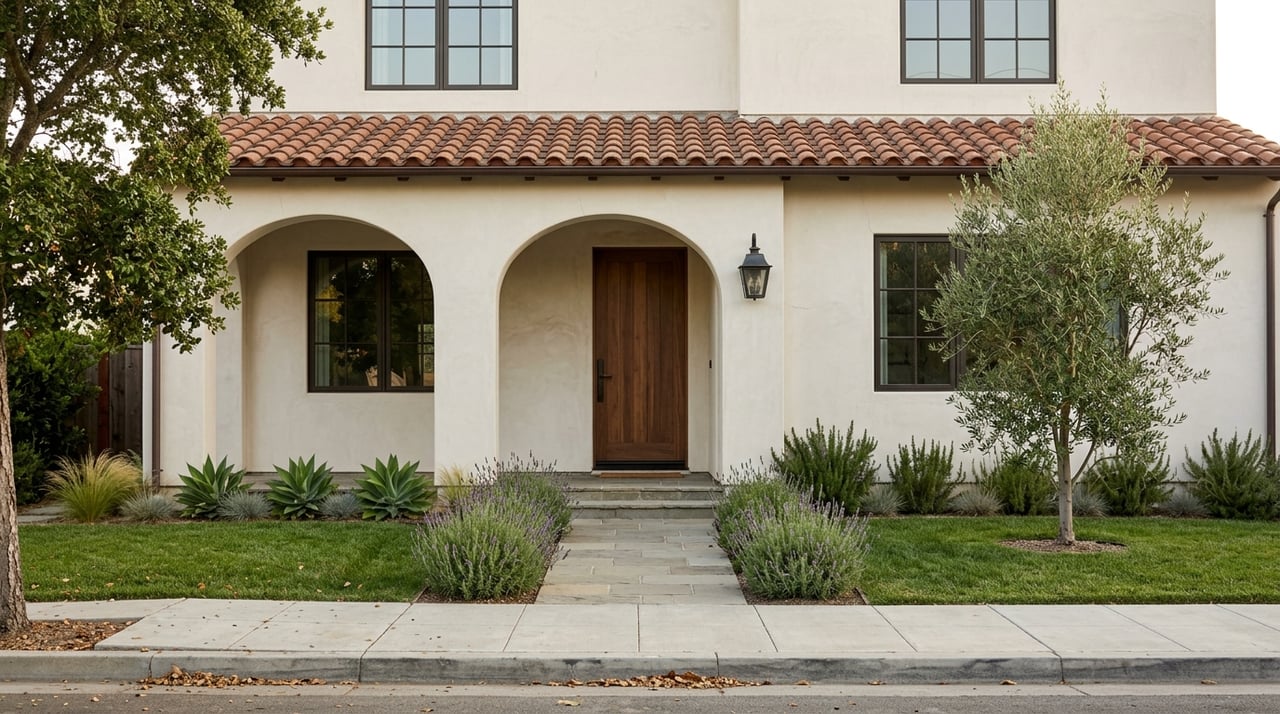
How to Choose the Best Watsonville Neighborhoods for Buyers
April 16, 2026
April 16, 2026
Trying to choose the right Watsonville neighborhood to buy in? That decision can feel tricky because Watsonville is not just one market. It is really a mix of price points, housing styles, and day-to-day lifestyles. If you are comparing walkability, newer homes, space, or budget, this guide will help you narrow your options and understand how different parts of Watsonville stack up. Let’s dive in.
One of the most helpful ways to think about Watsonville is by price tier and housing type rather than assuming every neighborhood offers the same experience. According to Redfin’s Watsonville market data, the citywide median sale price was $690,000 in February 2026. The same snapshot shows condos around $336,000 and townhomes around $525,000, which highlights how much your options can shift based on property type.
That is why neighborhood comparisons in Watsonville are best used as directional guides. Some areas lean toward older, more compact homes near the urban core, while others offer newer suburban-style layouts or more rural settings on the edges of the market.
Before you zoom in on a map, it helps to decide what matters most in your daily life. In Watsonville, buyers often sort neighborhoods by a few key questions:
Once you know your priority, the neighborhood search gets much easier.
If convenience and a more connected in-town lifestyle are high on your list, Downtown Watsonville deserves a close look. Redfin rates Downtown Watsonville at a 95/100 walk score and 97/100 bike score, making it the clearest choice for buyers who want the strongest pedestrian access in the city.
The housing stock here tends to be older and more varied. NeighborhoodScout places City Center at a median real estate price of $597,654 and Main St / Ford St at $848,862, while Redfin’s current Downtown Watsonville listings show homes ranging from roughly $985,000 to $1,229,000. That range is a good reminder that pricing sources use different methods, so it is smarter to compare neighborhoods by relative position and housing style than assume the numbers are directly interchangeable.
Downtown generally appeals to buyers who value:
The county’s Access + Mobility Plan notes that Highway 152 runs as Main Street through Watsonville, Highway 129 crosses the southern part of the city, and Highway 1 is the main regional route between Watsonville and Santa Cruz. For many buyers, that makes the downtown core a practical choice when central location matters more than lot size.
If school proximity matters to your search, nearby campus anchors include Hall District Elementary, MacQuiddy Elementary, Rolling Hills Middle, and Watsonville High. For any property you are considering, Pajaro Valley Unified School District says you should confirm attendance through its school locator.
If you want a more modern layout, newer construction, or a more suburban feel, the strongest Watsonville examples are Sea View Ranch / Apple Hill, Madonna Vista / Monterey Terrace, and Watsonville Northwest.
These neighborhoods tend to be among Watsonville’s higher-priced mainstream residential pockets, but they also offer more of the housing features many move-up buyers prioritize, such as later-era construction, more conventional floor plans, and neighborhoods designed around car access.
Sea View Ranch / Apple Hill has a median real estate price of $902,571, and 73.0% of homes were built after 1999, according to NeighborhoodScout. That makes it one of the clearest choices if you want a newer-home feel within the Watsonville market.
Redfin listing descriptions in this area often highlight shopping, schools, and access to regional highways. One Apple Hill listing specifically notes convenient access to Highway 1 for beaches, parks, and major employers in Santa Cruz, Monterey, and Salinas, which helps explain why this area often draws buyers looking for a balance between home size and regional connectivity.
Madonna Vista / Monterey Terrace sits around $862,724 and features mostly homes built between 1970 and 1999, with some newer inventory mixed in. Watsonville Northwest comes in around $863,779 and is made up mostly of established single-family homes and apartments.
These areas can be a strong fit if you want a residential neighborhood feel without jumping to the more rural, higher-priced outskirts. They may not offer downtown’s walkability, but they often make more sense for buyers who prioritize layout, parking, and a more traditional neighborhood pattern.
School anchors in this band of neighborhoods include Ohlone Elementary, Starlight Elementary, Rolling Hills Middle, and Pajaro Valley High. As with any Watsonville home search, the district recommends verifying the exact school of residence with the PVUSD school locator.
If you are trying to stretch your budget, simplify maintenance, or focus on location over square footage, it is worth looking at Bay Village / Pajaro Village, Pajaro, and Colonial Manor / Orange Blossom.
These areas are not one-size-fits-all “affordable” answers, but they do offer a more nuanced value story. Compared with Watsonville’s newer suburban pockets, they include more compact homes, apartments, townhomes, and in some cases mobile homes.
NeighborhoodScout reports the following median real estate prices:
Bay Village / Pajaro Village stands out for its high concentration of studio, one-bedroom, and two-bedroom homes. Pajaro includes small homes and mobile homes, while Colonial Manor / Orange Blossom is mostly made up of smaller homes, apartments, and townhomes.
For buyers who care more about getting into the market, lowering upkeep, or finding a different size-to-price balance, these pockets can be worth a closer look.
These neighborhoods are generally more car-dependent than downtown, but they still benefit from Watsonville’s road network and access to Highway 1, Highway 129, and the 152/Main Street corridor. That can make them appealing if you want to stay inside the city while comparing different price bands and property types.
Nearby school anchors include Pajaro Middle, Calabasas Elementary, and Watsonville’s high school options. Since attendance patterns can change by address, it is best to confirm any property through the PVUSD locator.
Some buyers are not really looking for “Watsonville city living” at all. If your wish list includes more land, a coastal setting, or a second-home feel, the clearest premium pockets are La Selva Beach / Pajaro Dunes and Corralitos North.
These areas are better understood as Watsonville-adjacent lifestyle markets rather than urban Watsonville neighborhoods. They sit at a very different point in the market and offer a different rhythm of daily life.
La Selva Beach / Pajaro Dunes has a median real estate price of $1,520,356. It is explicitly coastal and rural in character, and NeighborhoodScout notes that 33.4% of units are vacant and 26.9% are seasonally occupied, suggesting that part of this submarket functions as a vacation or second-home area.
For some buyers, that is exactly the appeal. If you are looking for a Monterey Bay coastal setting and are less focused on a short in-town commute, this pocket stands apart from the rest of Watsonville.
Corralitos North also sits around the $1.5 million range, with a median real estate price of $1,522,185. It reads more like a rural inland pocket with mostly established single-family homes and a more year-round owner-occupied feel.
If your priority is space, privacy, and a less urban setting, Corralitos North may be more aligned with your goals than a central Watsonville neighborhood. It is less about convenience and more about lifestyle and land.
One of the most important things to know when choosing a Watsonville neighborhood is that school boundaries should never be assumed from a neighborhood name alone. According to Pajaro Valley Unified School District, the district serves more than 15,000 students across 33 schools in Watsonville, Aptos, Freedom, and the Pajaro/Las Lomas communities.
The district also states that its address-based school locator identifies the elementary, middle, and high school of residence. If schools are part of your home search criteria, that step should be part of your due diligence for every property.
If you are still deciding where to focus, here is a practical way to sort Watsonville neighborhoods:
| Your priority | Best places to start |
|---|---|
| Walkability and central access | Downtown / City Center / Main St-Ford St |
| Newer homes and suburban layout | Sea View Ranch / Apple Hill, Madonna Vista / Monterey Terrace |
| Smaller footprint or flexible entry points | Bay Village / Pajaro Village, Pajaro, City Center |
| Land, coast, or second-home feel | La Selva Beach / Pajaro Dunes, Corralitos North |
The right neighborhood depends on how you want to live day to day. A home that looks great on paper may not be the best fit if the location does not support your routine, budget, or long-term plans.
Because Watsonville varies so much by micro-area, it helps to have local context when you compare one neighborhood to another. That is especially true when you are weighing older versus newer housing stock, trying to understand commute routes, or sorting through very different price bands inside the same city.
If you want help narrowing your search and comparing Watsonville neighborhoods in a practical, street-level way, Natalie Pinkerton can help you build a strategy around your budget, lifestyle, and goals. Schedule a local market consultation and take the guesswork out of your next move.
Stay up to date on the latest real estate trends.


Get help evaluating a property’s current value, preparing a strong offer, navigating contracts, negotiating terms, and more. I’m here to guide you through every step of your home-buying journey.
NATALIE PINKERTON | CA DRE# 01943205
1041 41ST AVE SANTA CRUZ, CA 95062