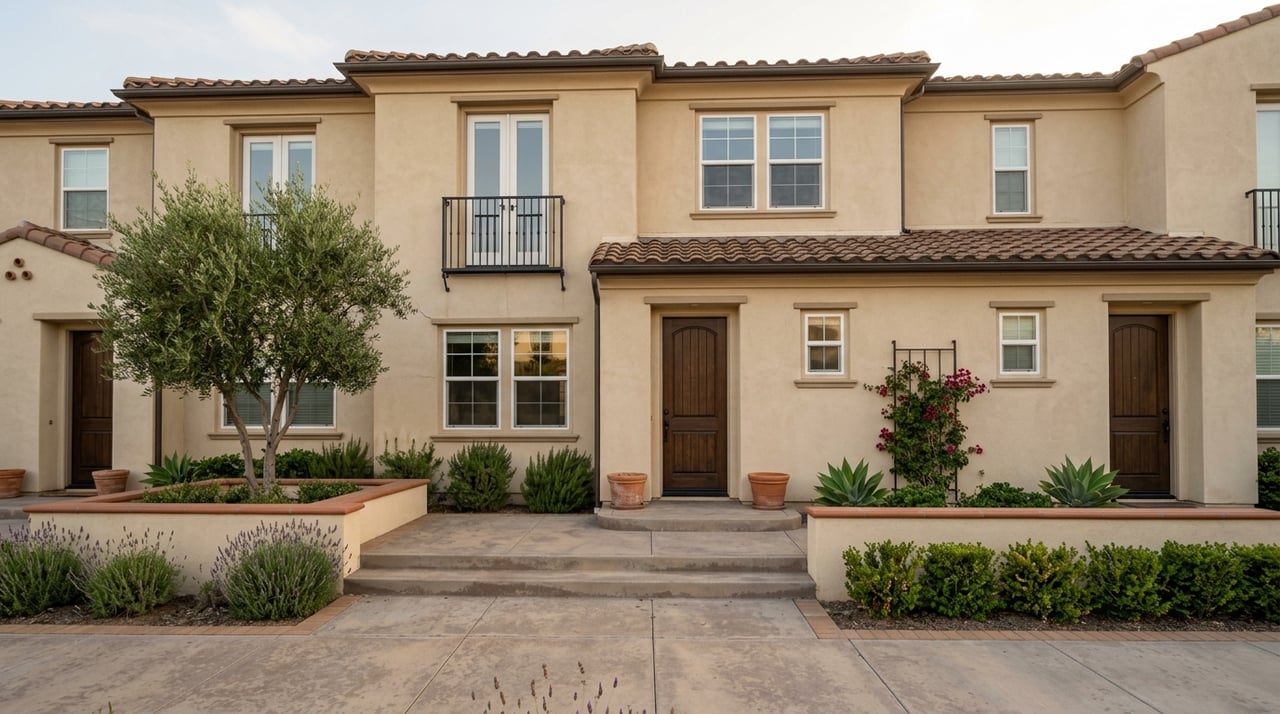
Watsonville Condos and Townhomes Buyer Guide
June 18, 2026
June 18, 2026
If you want a more manageable path into the Monterey Bay housing market, Watsonville condos and townhomes deserve a close look. You may be balancing price, space, commute needs, and monthly costs all at once, which can make attached homes feel both promising and confusing. This guide will help you understand what buyers are actually seeing in Watsonville, how condos and townhomes differ, and what due diligence matters most before you make an offer. Let’s dive in.
Watsonville often gets attention from buyers looking for a more attainable option within the broader Monterey Bay region. Current market snapshots show median sale prices around $677,156 for single-family homes, about $479,818 for condo and co-op properties, and about $639,126 for townhouses. That gap helps explain why attached homes can be an important entry point for many buyers.
Watsonville also compares favorably with nearby markets on price. Current median sale snapshots are much higher in Santa Cruz at about $1.35 million and Monterey at about $875,000. For many buyers, that makes Watsonville worth a serious look when you want to stay connected to the region without stretching as far on price.
The city’s housing pattern also helps explain why condos and townhomes show up where they do. Watsonville’s 2025 to 2029 Consolidated Plan notes limited developable land, rising home values, and a push toward infill and higher-density development. In practice, that often means attached homes are concentrated in downtown-adjacent, infill, or planned-community settings rather than evenly spread across the city.
Watsonville condos cover a fairly wide range of sizes and use cases. Current inventory includes compact studio-style units around 477 square feet, one-bedroom homes around 741 to 800 square feet, and two-bedroom homes around 924 to 1,136 square feet. Some are ground-level or single-level, which can appeal to buyers who want simpler day-to-day living.
You will also see more than one type of condo product here. Some listings are conventional in-town condos, while others are beach-area properties in Pajaro Dunes with a more coastal or resort-oriented feel. That means the condo market is not limited to one buyer profile.
For some buyers, condos offer the lowest entry price and the least exterior upkeep. That can be a strong advantage if your top priorities are affordability, simplicity, or having a home base near town or the coast. The tradeoff is usually less square footage and less private outdoor space than you may get with a townhome.
Townhomes in Watsonville usually offer more space than the smallest condo options. Current examples on the market include two-bedroom homes around 945 to 1,044 square feet, three-bedroom homes around 1,406 square feet, and larger three-bedroom layouts around 1,622 to 1,742 square feet. If you need more flexible living space, these numbers matter.
You will often see features that buyers specifically seek in townhomes. Current listings mention end-unit locations, open-concept layouts, two-story floor plans, patios or decks, and attached garages or garage laundry. These details can make a townhome feel more like a traditional home while still offering shared-maintenance benefits.
Location can also be part of the appeal. One current townhome listing on McKenzie Avenue is described as being close to downtown dining, the farmers market, shopping, and highway access. If you want more room without giving up in-town convenience, townhomes can be a strong middle ground.
For many buyers, the real decision comes down to how you want to balance price, space, and maintenance. Condos usually offer a lower entry point and less responsibility for exterior upkeep. Townhomes often give you more bedrooms, more square footage, and features like garages or patios, but they can come with a higher price tag.
Here is a simple way to think about it:
The best choice depends on your lifestyle, not just the list price. A smaller condo may fit perfectly if you value convenience and lower upkeep. A townhome may make more sense if you want added room and function for daily life.
In California, condos and many townhome communities fall under the umbrella of common interest developments. The California Attorney General explains that HOA membership is usually automatic, and that CC&Rs and bylaws help govern how the community operates. The Davis-Stirling Act also regulates areas such as board elections, finances, maintenance responsibilities, and dispute resolution.
That means your monthly dues are only one part of the story. According to the California Department of Real Estate buyer guide, HOA budgets commonly include fixed costs, operating costs, reserves, administration, and contingency funds. Boards may also levy special assessments for major repairs or unexpected expenses.
This is especially important in Watsonville because some inventory includes older communities, and the city reports that 55% of households live in units built more than 35 years ago. Older or conversion projects can require closer review because maintenance and rehabilitation costs may be higher. A home that seems affordable up front can feel very different once you understand reserves, deferred maintenance, and possible future assessments.
Before you move forward on a condo or townhome, make sure you review these items closely:
This last point is easy to miss. The California Department of Real Estate notes that a property can look like a detached home and still be part of a planned development or another common interest structure. It is always worth verifying the legal setup so you know exactly what you own and what the association maintains.
A condo or townhome can look attractive based on purchase price alone, but the full monthly payment deserves equal attention. In beach-area examples at Pajaro Dunes, current HOA dues run roughly from $873 to $1,400 per month. Those numbers show how amenities and shared maintenance can materially change your true cost of ownership.
That does not automatically make a property a poor fit. Higher dues may reflect services, insurance components, exterior maintenance, or coastal upkeep that would otherwise fall on you directly. The key is to compare homes based on total monthly cost and value, not just headline list price.
Watsonville’s attached-home inventory tends to line up with how the city has grown. Because developable land is limited and the city is focused on infill where feasible, you should expect a mix of older complexes, downtown-adjacent options, planned communities, and some coastal inventory rather than a large supply of brand-new townhome subdivisions. That can be a plus if you want choices across different settings and price points.
Central Watsonville can appeal to buyers who want a lower-maintenance home near day-to-day amenities. The city’s downtown planning framework supports a real attached-housing presence in and around central areas, and current market examples show some homes positioned for easy access to shopping, dining, and community services. Watsonville also has a Walk Score of 69, which points to a moderately walkable environment.
Transit and commuting matter too. The Watsonville Transit Center serves multiple Santa Cruz METRO routes, and Highway 152 runs as Main Street in Watsonville with access tied into Highway 1. If you want practical bus access or need convenient highway connections, that can make certain condo and townhome locations especially appealing.
If you are shopping Watsonville condos and townhomes, it helps to stay clear on your priorities from the start. Decide whether your main goal is getting the lowest entry price, gaining more square footage, minimizing maintenance, or finding a location that fits your routine. Those answers will narrow your choices quickly.
It also helps to review each property through a local lens. In Watsonville, two attached homes with similar prices may offer very different value once you compare HOA health, age of the community, layout efficiency, and proximity to downtown or coastal areas. Small details can have a big impact on both monthly cost and long-term satisfaction.
With the right guidance, attached homes can be one of the smartest ways to enter the Monterey Bay market. If you want help comparing Watsonville condos and townhomes, understanding HOA documents, or identifying the best fit for your goals, schedule a local market consultation with Natalie Pinkerton.
Stay up to date on the latest real estate trends.


Get help evaluating a property’s current value, preparing a strong offer, navigating contracts, negotiating terms, and more. I’m here to guide you through every step of your home-buying journey.
NATALIE PINKERTON | CA DRE# 01943205
1041 41ST AVE SANTA CRUZ, CA 95062